
How to Wash a Ceramic Coated Car Properly – The Ultimate Guide
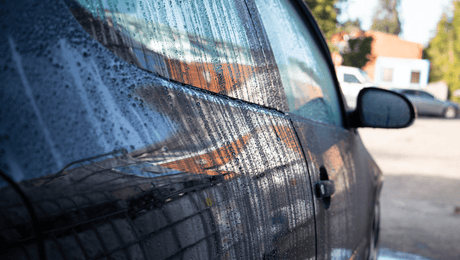
A ceramic coating is one of the best investments you can make for your vehicle. Whether you've applied a professional ceramic coating or one of the Auto Glanz P Lite Ceramic Coatings, your paintwork benefits from incredible gloss, chemical resistance, UV protection and outstanding hydrophobic performance.
However, one of the biggest misconceptions about ceramic coatings is that they make your car maintenance-free.
The truth is, a ceramic coating still requires regular washing using the correct techniques and products. In fact, knowing how to wash a ceramic coated car properly is the key to maintaining maximum water beading, gloss and durability for years to come.
In this guide, we'll show you the safest way to wash a ceramic coated vehicle while recommending the perfect Auto Glanz products to keep your coating performing at its very best.
Why Ceramic Coatings Still Need Washing
Ceramic coatings create a microscopic layer of protection over your vehicle's paintwork. This layer repels water, dirt and contaminants far better than traditional waxes or sealants, making your vehicle much easier to clean.
However, ceramic coatings don't stop dirt from landing on the car—they simply make it harder for contaminants to stick.
Road film, traffic grime, bug splatter, bird droppings, tree sap and brake dust will still accumulate over time. If these contaminants are left sitting on the surface for extended periods, they can reduce the coating's hydrophobic properties and even damage the coating itself.
Regular maintenance washing keeps the coating clean, allowing it to continue performing exactly as it was designed.
Step 1 – Start With a Snow Foam Pre-Wash
One of the biggest causes of swirl marks is dragging dirt across the paint during contact washing.
Before touching your vehicle, apply a thick layer of snow foam to loosen dirt and road grime.
Using a pH neutral snow foam such as Auto Glanz Piste helps soften contamination so it can be safely rinsed away before you begin hand washing.
Allow the foam to dwell for a few minutes before pressure washing from the bottom upwards.
This simple step significantly reduces the amount of dirt remaining on the paint, making contact washing much safer.
Recommended Product:
Step 2 – Use a pH Neutral Car Shampoo
Once the loose contamination has been removed, it's time for a safe contact wash.
Always use a high-quality pH neutral car shampoo when washing a ceramic coated vehicle.
Harsh detergents or household cleaning products can reduce the lifespan of ceramic coatings and strip away maintenance products applied on top.
Using the two bucket wash method with grit guards is strongly recommended.
Pair your shampoo with a premium microfibre wash mitt to safely lift dirt away from the paint.
Recommended Product:
Pure produces excellent lubrication while leaving behind no gloss enhancers or waxes, making it ideal for maintaining ceramic coatings.
Step 3 – Clean Your Wheels Separately
Your wheels collect the harshest contamination on the vehicle.
Brake dust contains metallic particles that should never be transferred onto your paintwork.
Use dedicated wheel cleaning products and separate wash tools.
For ceramic coated wheels, use:
If your wheels are protected with Auto Glanz P3 Lite, cleaning becomes even easier thanks to the coating's exceptional dirt repellency.
Step 4 – Rinse Thoroughly
After washing every panel, rinse the entire vehicle thoroughly.
One of the biggest advantages of ceramic coatings is how quickly water evacuates from the surface.
You'll immediately notice tight water beading and rapid sheeting.
This is one of the easiest ways to tell your coating is still performing properly.
Step 5 – Dry Using Premium Microfibre Towels
Never allow a ceramic coated vehicle to air dry.
Hard water minerals can leave stubborn water spots which may require dedicated removal products.
Instead, use a large premium drying towel to gently absorb the remaining water.
Adding a light mist of Auto Glanz Smooth Velvet onto wet paintwork will aid the drying process and boost gloss.
Avoid excessive rubbing.
Patting and lightly gliding the towel over the surface is usually sufficient thanks to the coating's slick finish.
Recommended Product:
Step 6 – Boost Your Ceramic Coating
Every ceramic coating benefits from regular maintenance.
If your vehicle has been coated with Auto Glanz P1 Lite, P3 Lite or P4 Lite, finish every few washes by applying SP1 Ceramic Top Coat.
SP1 is specifically formulated to bond with the P Lite range, restoring extreme hydrophobic performance while adding a sacrificial protective layer that prolongs coating life.
It only takes a few minutes to apply but dramatically improves water behaviour, gloss and self-cleaning performance.
Recommended Product:
Common Mistakes to Avoid
Even the best ceramic coating can be damaged through poor washing habits.
Avoid these common mistakes:
-
Washing in direct sunlight
-
Using washing-up liquid
-
Using dirty wash mitts
-
Reusing contaminated drying towels
-
Allowing bird droppings to remain on the paint
-
Letting water dry naturally
-
Skipping regular maintenance washes
Following proper wash techniques will dramatically increase the lifespan of your coating.
How Often Should You Wash a Ceramic Coated Car?
Most ceramic coated vehicles should be washed every two to four weeks.
If your vehicle is driven daily or throughout winter, more frequent washing is recommended to remove road salt and traffic film before they accumulate.
Keeping the coating clean allows it to continue repelling water effectively while maintaining its incredible gloss.
Can You Use a Pressure Washer?
Absolutely.
A pressure washer is one of the safest tools for washing a ceramic coated vehicle.
It removes a significant amount of contamination before any physical contact is made with the paint.
Simply avoid spraying extremely close to the surface and always use sensible pressure.
Can You Use Snow Foam on Ceramic Coatings?
Yes.
In fact, snow foam is one of the best ways to maintain ceramic coatings.
Using a pH neutral snow foam preserves the coating while reducing the amount of dirt that needs to be removed during contact washing.
Do Ceramic Coatings Need Wax?
Generally, no.
Modern ceramic coatings outperform traditional waxes in durability, chemical resistance and hydrophobic performance.
Instead of waxing, ceramic coated vehicles benefit from dedicated maintenance sprays like Auto Glanz SP1, which are designed to enhance ceramic coatings rather than cover them.
The Best Auto Glanz Ceramic Coating Wash Routine
For maximum gloss and long-lasting protection, our recommended wash routine is:
-
Pre-wash with Auto Glanz Piste Snow Foam
-
Wash using Auto Glanz Pure Shampoo
-
Top up protection using SP1 Ceramic Top Coat every 2-4 months
This routine keeps your ceramic coating performing exactly as intended while maintaining that freshly coated appearance.
Final Thoughts
Ceramic coatings make washing your car easier—but they still require the correct maintenance to achieve their full lifespan.
By using safe washing techniques, pH neutral products and regular ceramic maintenance, you'll preserve exceptional gloss, effortless cleaning and outstanding water repellency for years to come.
Whether your vehicle is protected with Auto Glanz P1 Lite, P2 Lite, P3 Lite or P4 Lite, following the correct wash routine will keep your coating looking as impressive as the day it was applied.
Looking to build the ultimate ceramic coating maintenance kit? Explore the full Auto Glanz range of snow foams, shampoos, ceramic coatings, maintenance sprays, wheel cleaners and premium microfibre accessories to keep your vehicle protected all year round.